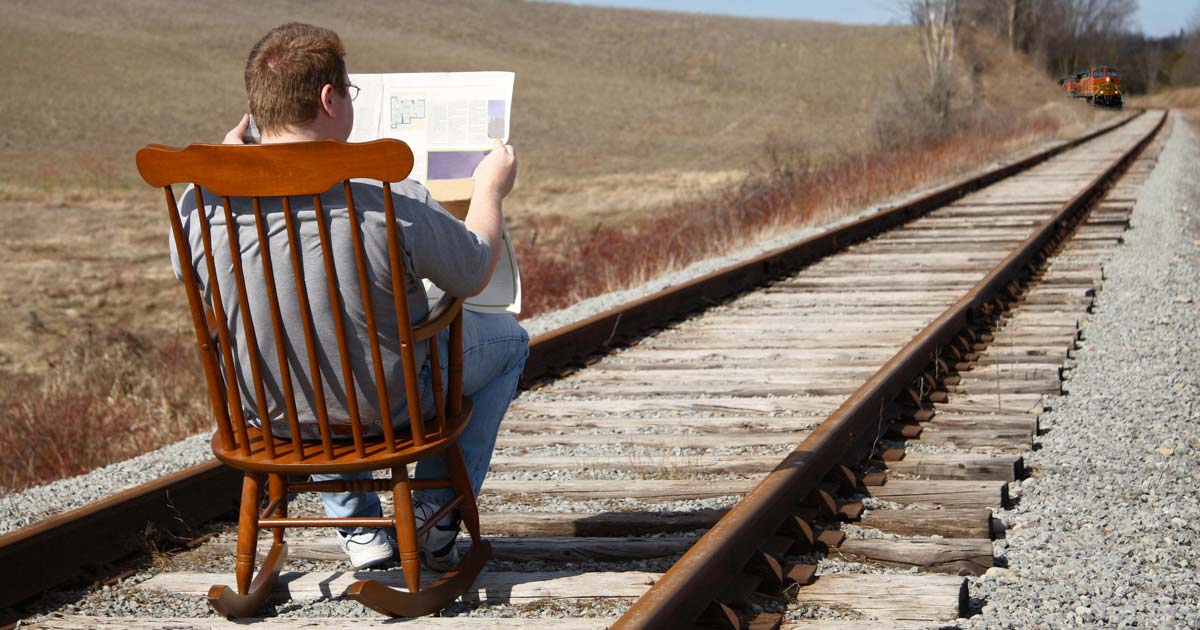
Whenever a natural disaster hits the survivors can usually be divided into two groups: Those who prepared ahead of time, and those that didn’t. The people who don’t prepare usually operate under the mindset that everything is going to be fine, and nothing bad is really going to happen. They underestimate the effect of natural disasters no matter how many warnings are flashed before their eyes. This denial of the possible danger during a disaster is known as Normalcy Bias.
What is Normalcy Bias
Normalcy Bias is defined as follows:
Normalcy bias is a psychological state of denial people enter in the event of a disaster, as a result of which they underestimate the possibility of the disaster actually happening, and its effects on their life and property. Their denial is based on the assumption that if the disaster has not occurred until now, it will never occur.
The reason that Normalcy Bias is so dangerous in the middle of a disaster is that the people who want to deny the event will look to the people who have prepared for the event for help. All of their denial means that they don’t have supplies ready for emergency situations, and that’s when desperation sinks in.
Normalcy Bias is a state of mind that develops before the disaster even starts, and it becomes exacerbated once the disaster event hits. Let’s examine the dangers of Normalcy Bias leading up to a disaster and why it’s such a huge threat once a disaster hits.
“It’s Never Going To Happen Here”
Disasters can happen anywhere, at any time. From terror attacks to weather events, disasters happen every day all around the world. While it’s impossible to predict when they will all happen, there are some very predictable aspects of natural disasters that can inform how you prepare.
Certain parts of the United States are known for weather events that occur every year on a seasonal basis. There’s Tornado Alley, or flooding in the Midwest, and every year there is at least one major hurricane that hits the East Coast. There are also Nor’Easters and superstorms that hit every now and again, and let’s not forget the recent spate of polar vortex weather patterns that drop record-setting low temperatures and historic amounts of snow across the Northeast.
On the West Coast there are the inevitable droughts and fires that take place regularly. Fires are a very regular occurrence these days, and the fiery infernos lead to mudslides when the heat gives way to the region’s rainy season.
The West Coast is also known for earthquakes. Though they’re not a regular occurrence, California, Oregon, Washington, and Alaska are all sitting on the Ring of Fire, which means that earthquakes (and possible tsunamis) are always a possibility even though they don’t happen often. In fact, many experts claim that California’s storied San Andreas Fault is “due” for the next “Big One.”
With all of this in mind, it would be hard to believe that there are people in these areas who don’t have an emergency plan in case something happens. Earthquakes aside, everything else happens on a season basis. From fires to mudslides, tornados and hurricanes to polar vortices, and large amounts of rainfall that leads to flooding. These things happen all the time, so wouldn’t it make sense to be ready?
Anyone who lives in one of the areas affected, which is just about everyone, should have some kind of plan. Yet, despite all of the evidence and the seasonal nature of these weather events, many people aren’t prepared for impending disasters.
“I Had No Idea This Could Happen”

The fact that 41% of people polled admit not being ready for a disaster is the first red flag of the dangers of Normalcy Bias. These people know that disasters, especially natural disasters, are imminent. They can happen at any time, and yet they aren’t prepared.
Why?
In many cases, these people don’t actually believe something is going to happen. No matter how many times you tell someone living along the Atlantic coast that hurricanes will happen, they will still deny that they will be impacted. What’s more is that many of these people become the ones who think they can ride out a hurricane. They’re the ones that ignore evacuation warnings because “it’s not going to be that bad” so they stay in their homes during floods, and when the waters pass their ceilings they’re on their roofs with signs asking for a rescue.
People suffering from cases of Normalcy Bias are the ones who look around in the middle of a disaster and claim that they had no idea something could happen, no matter how much evidence was there beforehand.
Sadly, while these people are lamenting their situation, they’re not making any progress fixing their situations. While they sit around in disbelief that things have fallen apart, they’re also looking to see who is going to help them.
“Why Isn’t Someone Helping Us?”
The challenge for people who suffer from Normalcy Bias is that they’re the ones caught unprepared in the middle of a disaster. Rather than prepare, they prefer thinking that it won’t be that bad and nothing will happen to them, and as soon as things take a turn for the worst, they learn how wrong they are they start pointing fingers.
A classic example of this is when people who ride out hurricanes discover that there is no food or emergency services available during the storm and in the immediate aftermath. Their first inclination is to ask why no one is helping them. They could have evacuated; they could have packed supplies, and when everything falls apart they wonder why someone else isn’t helping them.
The problem with this line of thinking is that it puts first responders in unnecessary jeopardy when they have to perform dangerous rescues. If these same people put a little bit of effort into being prepared, and listening to evacuation orders, things would be much different.
While zombie apocalypse scenarios are fictional situations, consider what usually happens following a virus breakout. Unlike a natural disaster, where emergency personnel will pour in to save the day when it’s safe to do so, a zombie apocalypse will keep going. Most depictions show a complete collapse of the government, so anyone waiting around for the government or the military to swoop in and save the day will probably be eaten before accepting that help isn’t coming.
However, first responders aren’t the only ones whose safety is at risk from people who are blinded by Normalcy Bias during a disaster. As it happens, you’re at risk more than anyone else.
Why Normalcy Bias Is A Threat To Your Survival
A common theme in disaster movies, whether it’s a natural disaster or a zombie apocalypse, is that people tend to fall into two categories: Those that are ready, and those that aren’t. Now, if you get caught in the middle of a wildfire on public transportation, no one is going to fault you for not having your emergency kit ready. But generally speaking, there are people who plan and those who don’t.
If a massive earthquake struck, it could be days before help arrives. That means that people will have to rely upon the supplies they have on hand. The people who don’t have food and water will have to search for it, and if supplies are limited, there could be rioting.

Anyone who sees that you have supplies will want them. It’s possible that they will ask nicely for you to share your food and water, but it’s more likely that they will implore you to share while claiming (erroneously) that you have some moral obligation to share your supplies.
This presents a major challenge because of course, you want to help people, but you also have to consider your family’s needs before anyone else’s, and their lack of planning is not your problem. Should you refuse to share, it could lead to more than bruised feelings. The other people could resort to violence if the situation is desperate enough, and should they manage to steal your supplies it will leave you without.
Protecting Yourself
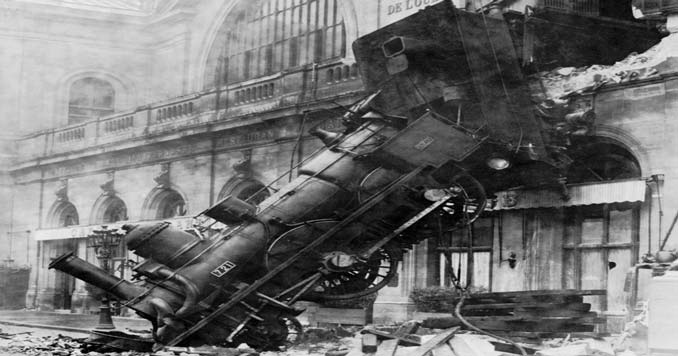
In the end, the only way to truly protect yourself from people dealing with Normalcy Bias in the middle of a disaster is to be prepared for anything, and to be prepared to defend yourself (including – and especially – your supplies) when bad things happen. All you can do is to provide for your own needs and make sure that you don’t share anything unless you’re willing to accept that one handout could turn into many handouts.
When Normalcy Bias turns into entitlement, and the belief that relief is “owed” to people who didn’t bother to prepare, you’ll find that desperation will quickly escalate to make a bad situation even worse.
The only way to truly combat Normalcy Bias during a disaster is to try to talk sense into people you know before the disaster strikes. If you demonstrate the need to be prepared, you just might inspire someone to pack a few supplies away just in case. If someone is your family suffers from this condition, here are some tips for talking to them about preparedness.


I never knew it actually had a name. I like so many others try to be prepared for my family and instill the importance of it to them. We have had a few skirmishes with weather caused problems and they now fully understand. I think preparing for the problems created by people outside your support group is the hardest. I know a lot of people say they will defend to the death, but unless they are a veteran or a person who has pulled the trigger or at the very least been trained, I doubt most could go through with it. In the movie “American Blackout” you have a prepared family that violated some of there own rules and also could not pull the trigger. So yes, very hard to determine when to or not kill in self defense. That very thing should not stop you from trying to be prepared. It is a continuous effort, always build on your preps.
Normalcy bias goes beyond the ‘it won’t happen here’ mindset. It continues with the people rebuilding in the same flood zone claiming ‘it won’t happen again’. There has to be some limit to the rebuilding in areas where the problems have occurred repeatedly. Look at the floods in the Midwest – nearly every year.
Between now and whenever the next disaster happens, find a place you can go and be welcome. Then offer your place as a place for the people that will help you to shelter if something happens at their end. There is better odds of defending either place if there are more people involved in the defense of whatever resources you have.
Plan ahead, place what you need where you may use it. Allow those you trust to do the same for the possible time they may need to come your way.
We know where we could go, and we know the people that may come our way. They know what we will bring, and we know what they will bring. Planning, testing during the good times, keeping communications going now so we know how to respond in other scenarios – – – knowing what will happen and how to keep your wits about you are all part of the process.
Hope for the best. Be ready to act.
CM
I always called it second hand nature people so stuck with accepting everything for what’s is and not what they could do
Got it. I think. Its terrible when bad things happen to good sentences… :-)
It’s the story of The Ant and the Grasshopper, except on a national/international scale.These locusts presume the aid of others while funnelling their resources into non-essentials and luxuries. When the latest I-Phone or a new tattoo takes precedence over even a basic emergency kit, they have proven that they are not fit to survive.
I own a preparedness/survival store within a major port City on the Texas Coast. Normalcy Bias is a thing. There are not as many preppers here, lots of reactionary knee jerkers that seem to think there will be plenty of supplies in the store to come get after a disaster. I have convinced some to become preppers, some to become even better preppers. But, a huge percentage think they can show up at their neighbors house or their friends ranch because they are ready. Look, unless you have a needed skill, can do heavy manual labor or can bring something valuable to the table don’t expect anyone to risk the safety of their family and their resources because you have failed to be ready.
Please, get your shit together people.
Times are fixing to get rough either by a natural disaster, Government failures or a combination of things that can and will destroy things that you have become accustomed to.
Help yourself because no one else will.
Godspeed everyone
It is better to have and not need, than need and not have
Excellent principle but why don’t people ever speak about normalcy bias in terms of time. We all have the exact same amount of it,you can’t kill it you can never replay it but you can redeem it. Eternity is for real and forever. We will all be there before you know it in the blink of an eye or as a vapor this mortal shall be putting on immortality, don’t you think it might be a wise thing to do to be ready? God is a prepper, I go to prepare a place for you and if I go to prepare a place for you I will come again and receive you to myself that where I am you may be also! Jesus in Jn.14. God tells us to prepare in Amos 4-12. Like the monkey said when he got his tail caught in the lawn mower, “it won’t be long now” Maranatha.
Some good advice here. Aside from understanding what the natural risks are in your area(fire, flood, hurricanes, etc)…Always, always plan for societal failures, supply chain issues and grid failure. Have multiple, well thought out plans. Why not? We have insurance policies and put tons of money away for retirement. That’s planning. Put some thought and money in a more basic type of insurance policy. Food, medicine, supplies, cooking, a way to stay warm…how to defend and stay safe. Most important element is the plan itself. Plans prevent panic. Should you stay put? Will it be safe? Who are your neighbors? Do they plan? Or maybe you travel to a like minded friend/relative who’s place is more remote, secure and defendable? If it’s the ladder….make sure your planning together, understand what’s expected of you or like this article states…you may not be welcome when the time comes.